B2B
 Tech, IT & SaaS
 Healthcare
 Shipping & maritime
 Public sector
 Construction
 Professional services
 Non profit


Emily King
SEO & PPC Lead
Emily plans the AI SEO programme. She combines traditional search research with LLM queries so we know how each client is showing up in AI answers.

Sectors
We partner with organisations across a range of sectors, delivering digital solutions that improve performance and support growth over the long term. Our approach is always tailored, combining strategy, technical expertise and creative thinking.












Optimisation for AI Overviews, ChatGPT, Copilot and Perplexity. Schema, entity optimisation, citation-ready content and the technical foundations that make websites discoverable inside AI answers.
We use Generative Engine Optimisation and Answer Engine Optimisation to position your organisation within AI-generated answers. GEO structures your content so large language models can reference and cite it. AEO formats pages as direct answers to questions your audience asks.
Our AI SEO services reach decision-makers across every sector we support as a B2B marketing agency. Technology, SaaS, professional services, maritime, logistics, construction, healthcare and public sector organisations all benefit from an increase in AI search visibility.
We measure AI Share of Voice as a companion metric to traditional rankings. This gives you a clear picture of where your organisation appears across Copilot, Gemini, ChatGPT and Perplexity, alongside Google and Bing. AI SEO sits alongside organic SEO, not as a replacement.

Our AI SEO clients span technology, maritime, construction and professional services organisations. Each programme is built to earn visibility in AI Overviews, Copilot, ChatGPT and Perplexity alongside traditional organic rankings.
AI search platforms such as ChatGPT, Gemini, Copilot and Perplexity choose which businesses to mention in their answers. The services below improve how often your content is selected and track how your brand appears.
We structure content so Copilot, Gemini and ChatGPT can select and summarise it accurately, with formatting that suits AI citations and still reads well for people.
We format content, schema markup and question and answer sections to win featured snippets and AI answers across different query types and platforms.
We track how ChatGPT, Gemini and Perplexity mention your brand compared with competitors, then report on what to change to appear in more AI answers.
See how our AI SEO strategies have helped B2B businesses gain visibility across ChatGPT, Copilot, Gemini and other AI search platforms.

 Littlefish Group

 Acronyms IT Support

 Westcountry Group

 Darnells
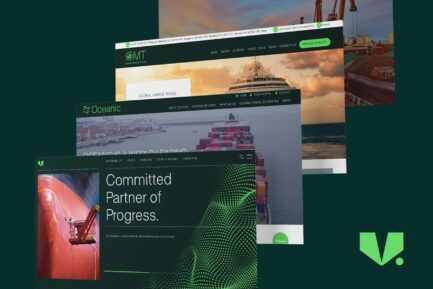
 V.Group

 The Mobility Outlet
SEO & PPC Lead
Emily plans the AI SEO programme. She combines traditional search research with LLM queries so we know how each client is showing up in AI answers.

SEO and Content Lead
Rory shapes the content side of AI SEO. Answer focused pages, topic coverage and the content changes that give AI assistants something clear to cite.

Website & SEO Support
Lisa runs the on-page AI search work. Answer-focused rewrites, entity mentions, FAQ markup and the content changes that help LLMs cite the client cleanly.

Digital Marketing Administrator
Jess coordinates the AI SEO delivery. Monthly reports, priority reviews and the client comms that translate the new-world metrics.


Classical SEO dashboards stop at Google. The way buyers actually research vendors now spans ChatGPT, Perplexity, Copilot, Gemini and AI Overviews and you need to see what your visibility looks like on those surfaces, not just the blue-link rankings. Every Priority Pixels AI search client gets access to our branded reporting platform that tracks AI Share of Voice across the major LLM-powered tools, citation rate per priority query cluster, the queries where you’re being cited and the queries where competitors are getting picked instead, plus the conventional Search Console and analytics data alongside.
Filter by tool (ChatGPT, Perplexity, Copilot, Gemini), by query cluster, by date range. Compare AI visibility against organic visibility on the same set of queries to see where the surfaces are moving in lockstep and where they have diverged. Every month we schedule a call to walk through citation movement, where new content is gaining ground and where the next round of work is focused.
AI search has changed how buyers find businesses. ChatGPT, Copilot, Perplexity and AI Overviews now answer questions your prospects used to type into Google. We earn visibility in those answers across sectors where the citation game looks very different.
SEO used to be about gaming the system. Keyword stuffing, low-quality backlinks and exact match domains were standard. Google caught on years ago and now with ChatGPT and similar tools answering questions directly, everything’s different.
Old-school SEO treated search engines like simple machines you could trick. Keyword density, exact match domains, link farms – it worked when algorithms were basic. But it created terrible content that served search engines instead of actual people.
Now? Search engines understand context and intent. They can spot genuine expertise from a mile away. The businesses winning in AI search are the ones creating genuinely helpful content that answers real questions. What used to be “SEO tricks” are now just good business practices – being genuinely useful and building real authority in your field. This evolution means successful SEO strategies now align with good business practices: creating valuable content and building genuine authority.

Getting visible in AI search isn’t about guesswork or generic tactics. It takes a structured approach that covers both the technical foundations and content strategy needed to actually appear in AI responses. We start by understanding exactly where you stand now – which AI platforms mention your business, which don’t and why.
Most businesses have no idea whether they appear in AI-generated responses when potential customers ask relevant questions. Unlike traditional search rankings you can easily check, AI visibility remains largely invisible. A manufacturing company might rank first for “industrial sensors” on Google but never get mentioned when someone asks ChatGPT for supplier recommendations. This blind spot costs businesses significant opportunities as more decision-makers rely on AI tools for research.
Our analysis combines our proprietary AI Content Detector Plugin with systematic manual testing across major platforms. We query AI systems using variations of questions your prospects actually ask, documenting when and how your business appears in responses. The process reveals not just whether you’re visible, but how you’re positioned relative to competitors and what triggers citations versus omissions.
Priority Pixels delivers comprehensive visibility mapping that shows exactly where you stand in the AI search environment. We identify content gaps that prevent AI inclusion, highlight pages performing well for citation and benchmark your visibility against industry leaders. This analysis forms the strategic foundation for all subsequent AI SEO work, ensuring efforts focus on areas delivering maximum impact rather than generic optimisation approaches.
AI tools do not crawl websites the way Google does. Google methodically indexes everything it finds. AI systems are pickier, looking for content that is clearly structured and easy to extract, often skipping pages that rank perfectly well in traditional search. Technical barriers that barely affect traditional SEO can prevent AI inclusion entirely. Poor schema markup, inadequate content hierarchy and slow loading speeds often mean AI systems skip your content, even when it is highly relevant.
We implement technical configurations specifically designed for AI platform requirements. Enhanced structured data helps AI systems understand your business entities, product relationships and service contexts. Content architecture improvements ensure AI tools can navigate your website efficiently and extract key information accurately. Page speed optimisation and mobile performance enhancements support the user experience signals that AI systems increasingly prioritise when selecting content for responses.
Our technical approach balances AI-specific requirements with traditional SEO performance, ensuring improvements benefit both visibility channels simultaneously. We configure schema markup that speaks directly to AI interpretation needs while maintaining compatibility with search engine requirements. The implementation process includes comprehensive testing across different AI platforms to verify technical changes achieve desired accessibility and citation improvements before full deployment.
AI tools cite a narrow slice of the content they could choose from. The content that gets selected tends to be genuinely useful: clear explanations, practical guides and direct answers to common questions. It is less about keyword optimisation and more about being a clean, complete answer to whoever is asking.
Our content strategy development focuses on formats and structures that AI systems consistently select. Question-answer frameworks, step-by-step processes, comparison tables and definition-style explanations perform particularly well across different AI platforms. We structure content hierarchies to position key information where AI systems commonly extract data for response generation. Entity optimisation ensures your business context, products and services are clearly defined within broader market relationships that AI tools can understand and reference accurately.
Priority Pixels creates content strategies that serve both human readers and AI systems effectively. We develop topic clusters around core business areas, ensuring comprehensive coverage that demonstrates expertise while maintaining the specific formatting preferences that increase AI citation probability. This approach builds topical authority signals that influence AI platform selection decisions for business recommendations, comparisons and solution suggestions across your market sector.
Each AI platform processes content differently, with distinct preferences for information extraction, citation methodologies and response generation patterns. Each platform has its quirks. ChatGPT tends to pick up conversational content more often, Copilot seems to prefer technical documentation and Gemini gravitates toward comparative analyses. You do not need completely different content for each one. Understanding these preferences helps us structure content that works across all platforms. Most agencies use the same generic approach for everything, which explains why their clients stay invisible in AI search – they’re not accounting for the fact that ChatGPT looks for different things than Copilot.
Our platform optimisation strategy addresses individual AI system requirements while maintaining content efficiency and avoiding conflicts between different platform preferences. We analyse training data patterns, response generation behaviours and citation methodologies specific to each major platform. Content formatting adjustments ensure optimal presentation across different AI systems without compromising human readability or traditional search performance. This approach recognises that businesses need visibility across multiple AI platforms rather than optimisation for individual systems.
We don’t optimise for one platform and hope for the best with others. Our approach works across ChatGPT, Copilot, Gemini and whatever comes next because we focus on the fundamentals that all AI systems value. This means you get better results from your investment and don’t need to start from scratch when new platforms emerge or existing ones change their algorithms.
Local businesses face unique challenges in AI search because AI systems must understand not just what you do, but where you operate and which geographic markets you serve. When someone asks an AI tool for “accountants near Manchester” or “logistics companies in the North West,” the system needs clear geographic context to include your business in location-specific recommendations. Many businesses lose local AI visibility because their location data lacks the structure and clarity that AI platforms require for geographic matching and regional relevance determination.
Geographic entity optimisation establishes clear connections between your business and relevant locations, service areas and regional markets. We implement enhanced location data, service area definitions and geographic relationship mapping that helps AI systems understand your business context within specific markets. Content strategy development focuses on location-specific topics, local authority building and community engagement signals that influence AI platform selection for geographic queries and regional business recommendations.
Our local AI SEO approach integrates with broader geographic marketing strategies while addressing the specific technical requirements that AI platforms use for location-based content selection. We ensure your business appears appropriately in AI responses for regional queries while maintaining strong visibility for broader, non-geographic business searches. This dual approach recognises that local businesses often serve both geographic and industry-wide markets through different service offerings and expertise areas.
Different industries require distinctly different AI SEO approaches because AI platforms evaluate authority, credibility and relevance differently across sectors. Healthcare organisations must balance AI visibility with regulatory compliance requirements, while financial services need to demonstrate expertise without making unauthorised claims. Technology companies face different citation patterns than professional services firms and public sector organisations operate within unique constraints that affect content strategy. Generic AI SEO approaches often fail in specialised industries because they don’t account for sector-specific requirements and professional standards.
Our industry customisation process develops tailored strategies that maximise AI visibility while maintaining compliance with sector regulations and professional expectations. We understand the specific content types, authority signals and citation preferences that influence AI platform selection within professional markets. Healthcare, legal, financial services and public sector organisations receive specialised approaches that balance AI visibility goals with regulatory compliance, professional credibility requirements and industry-specific terminology that AI systems need to recognise your expertise accurately.
Priority Pixels brings deep sector experience across B2B, healthcare, technology and public sector markets, enabling AI SEO strategies that reflect genuine understanding of industry dynamics. Our customisation includes compliance considerations, professional standards integration and authority signals that help AI systems understand your credibility and expertise within professional markets. This sector-specific approach ensures AI SEO efforts support rather than conflict with broader business objectives and regulatory requirements.
Traditional SEO metrics tell you very little about AI performance. A business can rank top of Google for its main keywords and never appear in ChatGPT responses. Another can earn steady referral traffic from AI platforms despite modest traditional search rankings. The two do not correlate, so they need separate measurement. Standard analytics cannot track AI citations, response inclusion rates or competitive positioning within AI-generated results, leaving most businesses blind to their actual AI search performance.
We implement comprehensive monitoring systems that track AI search visibility, citation rates and referral traffic from AI-generated responses across multiple platforms. Our analytics configurations provide clear visibility into AI SEO performance trends while identifying areas requiring attention or adjustment. Key performance indicators are established for different AI platforms and business objectives, enabling targeted improvement efforts where they deliver maximum value. We monitor citation frequency, response inclusion rates, referral traffic quality and competitive positioning within AI-generated responses.
Priority Pixels delivers regular reporting that demonstrates AI SEO progress alongside traditional search metrics, providing stakeholders with clear visibility into both immediate improvements and long-term strategic positioning. We also track emerging trends to spot opportunities before competitors do. AI platforms change constantly with new features, algorithm updates and different citation preferences. Our monitoring helps you stay ahead of these changes rather than reacting to them after visibility drops.
The questions we hear most about AI SEO, from the platforms we optimise for to measuring performance.
Traditional SEO gets you ranking on Google’s results pages. AI SEO gets you mentioned when someone asks ChatGPT or Copilot for business recommendations. When did you last scroll past the first few Google results versus asking an AI tool directly? Your customers are doing the same thing. We optimise content so AI systems actually cite and recommend your business when people ask relevant questions.
We optimise for major AI platforms including Copilot, Gemini, ChatGPT and AI Overviews, plus emerging AI search tools. Our approach ensures content performs across multiple platforms simultaneously rather than targeting individual systems. We monitor platform-specific requirements and adjust SEO strategies as new tools emerge.
We track AI citation rates, inclusion frequency in AI-generated responses, referral traffic from AI platforms and competitive positioning within AI search results. Performance monitoring includes platform-specific analytics showing how often your content appears in AI responses across different query types alongside traditional SEO metrics.
You’ll see changes quicker than with traditional SEO. Most businesses start appearing in AI responses within 2-4 weeks of implementation. The technical changes often show immediate improvements in how AI systems access your content. AI platforms evolve constantly, so this isn’t a set-and-forget approach. Sustained visibility requires ongoing optimisation as these systems update their algorithms.
AI optimisation services (AIO) make a website citable inside AI-powered search tools such as AI Overviews, Copilot, ChatGPT and Perplexity. The work covers entity and schema structuring for machine readability, citation-ready content built for direct quotation, and the technical foundations large language models use to retrieve and trust a page. AIO sits alongside traditional SEO and is measured through AI Share of Voice and citation tracking.
AI engine optimisation is the practice of structuring web content so that AI search engines select, quote and credit it inside their answers. It combines Generative Engine Optimisation (GEO) for large language model ingestion with Answer Engine Optimisation (AEO) for direct answer inclusion, supported by schema, entity authority and citation-led content. Success is measured by how often a brand is named or cited by tools like AI Overviews, Copilot, ChatGPT and Perplexity.





AI is rewriting the rules of search visibility. This section covers generative engine optimisation, answer engine optimisation, entity mapping and structured data, and the practical steps UK businesses can take to remain visible as ChatGPT, Claude, Perplexity, Copilot and Gemini rewire the discovery journey.

 Nathan Yendle29/10/26

 Paul Clapp20/10/26
 Paul Clapp02/10/26
 Paul Clapp01/10/26
 Paul Clapp30/09/26
 Paul Clapp24/09/26
 Paul Clapp24/09/26
 Paul Clapp22/09/26
 Paul Clapp21/09/26
 Paul Clapp17/09/26

Prefer to talk it through? Call us on +44 1626 245 061 and speak to the team.
Know what you need and have a brief? Email it over to hello@prioritypixels.co.uk.
Not sure where to start? Our enquiry form guides you through a few short questions.