






Solving Problems Code Can Fix
Python is not a website language. It is a problem-solving language. We use it to build automation tools, data pipelines, API services and custom applications that eliminate manual work and connect systems that were never designed to talk to each other.
Built for Business Operations
Our Python development focuses on practical tools that make businesses more efficient. Content scheduling systems, reporting pipelines, data processing workflows and integration scripts that run reliably without constant oversight. Every tool we build solves a specific operational problem.
AI and API Integration
Python is the dominant language for AI integration. We build tools that connect to the Anthropic API, OpenAI and other AI services to automate content workflows, data analysis and decision support. Combined with Flask for web interfaces, these tools become accessible to your whole team.
Python Development for Data, APIs and Automation
Priority Pixels builds Python applications for data processing, business automation, API layers and internal tools. Django and FastAPI backends, background workers and integration layers are all delivered by one team rather than pieced together from freelancers.
- Django and FastAPI backends
- API design, documentation and versioning
- Background workers with Celery or RQ
- Data processing and ETL pipelines
- Third-party API integrations
- PostgreSQL, Redis and other production data stores
- Authentication and role-based access built in
- UK hosting on ISO 27001 certified infrastructure
Every build ships with monitoring, tested backups and a documented handover, so the application stays supportable long after launch.


Our Python Development Services
Business Process Automation That Eliminates Manual Work
Repetitive tasks that consume hours of your team's time can usually be automated with Python. Data entry, report generation, file processing, email workflows and system synchronisation scripts that run on schedule or trigger automatically when conditions are met.
Data Processing Pipelines and Reporting Tools
Python handles large datasets efficiently. We build pipelines that pull data from multiple sources, clean and transform it, then output reports, dashboards or structured feeds. Google Analytics, Search Console, advertising platforms and CRM data combined into meaningful business intelligence.
API Development and Third-Party Integrations
We build REST APIs with Flask that connect your systems together. Whether you need a custom API for internal tools, webhook handlers that respond to external events or integration scripts that keep platforms synchronised, Python provides the flexibility to connect almost anything.
AI-Powered Tools Using Anthropic, OpenAI and LLM Services
We build custom tools that integrate with AI APIs for content generation, data analysis, classification and decision support. These are not off-the-shelf chatbots. They are purpose-built applications designed around your specific workflows with proper error handling, rate limiting and output validation.
Our Web Development Case Studies
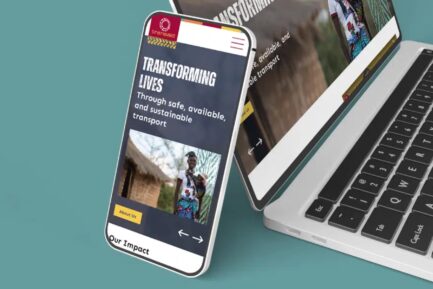
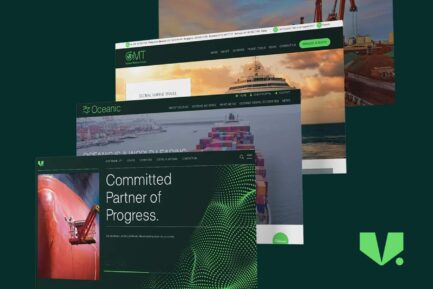
See how our web development projects have helped businesses launch high-performance, custom-built websites designed for long-term growth and scalability.









How We Approach Python Development
Python development at Priority Pixels is driven by practical business problems. We do not build tools for the sake of it. Every project starts with a clear understanding of what manual process needs automating, what data needs connecting or what capability your team currently lacks.
Problem Definition and Scope
We start by understanding the workflow you want to improve. What data moves between which systems? Where do manual steps slow things down? What breaks when someone is off sick? This scoping phase defines exactly what the tool needs to do and what it does not, keeping development focused and costs predictable.
Architecture and Technology Decisions
We choose the right Python libraries and frameworks for each project. Flask for web interfaces, SQLite or PostgreSQL for data storage, scheduled tasks for automation, Docker for deployment. Every technical decision is documented so the tool is maintainable by any competent developer, not just us.
Development and Testing
We develop iteratively, delivering working functionality in stages rather than disappearing for months. Each stage is tested against real data and real workflows. Edge cases get handled properly because automation tools that fail silently cause more problems than the manual process they replaced.
Deployment and Documentation
Python tools deploy via Docker containers for consistency across environments. We provide documentation covering setup, configuration, troubleshooting and extension points. Your team or IT provider can manage the tool independently if needed, though most clients prefer ongoing support.
Monitoring and Ongoing Development
Automation tools need monitoring. We set up logging, error alerts and health checks so you know when something needs attention. As your requirements evolve, we extend existing tools rather than rebuilding from scratch, keeping costs proportionate to the value delivered.
Python Development FAQs
What kind of business problems can Python solve?
Python excels at automation, data processing and system integration. Common projects include automated reporting, content scheduling, data migration between platforms, API development, AI-powered tools and scripts that connect business systems that do not have native integrations. If a task is repetitive and rule-based, Python can usually automate it.
Do we need our own developers to maintain Python tools?
No. We provide ongoing support and maintenance for every tool we build. Most clients prefer this approach because it keeps the tool in the hands of the team that built it. We also document everything thoroughly so your internal IT team can handle basic configuration changes independently if preferred.
How long does a Python development project take?
Simple automation scripts take one to two weeks. Data pipelines and API services typically take four to eight weeks. Complex applications with web interfaces, authentication and multiple integrations take longer. We scope every project before quoting so timescales are realistic from the start.
Can Python tools integrate with our existing systems?
Almost certainly. Python has libraries for connecting to virtually any platform with an API. We regularly integrate with WordPress, HubSpot, Google services, Microsoft 365, Slack, databases and custom internal systems. If your platform produces data or has an API, Python can connect to it.
Where do Python tools get hosted?
We deploy Python applications using Docker containers, which run on any server environment. This can be your existing hosting, a cloud provider like AWS or a dedicated server. Docker ensures the tool runs identically regardless of where it is hosted, making deployment and migration straightforward.
How do you handle AI API costs in Python tools?
AI API calls have usage-based costs that need managing. We build rate limiting, caching and cost controls into every AI-powered tool so usage stays within budget. Monitoring dashboards show exactly how much each function costs, and we configure alerts before spending thresholds are reached.
Our Technology Partners






Our Web Design News
UX, UI, responsive design, WordPress-based delivery, accessibility and the wider craft of building websites that turn visitors into enquiries. Practical thinking from the Priority Pixels web design team, based on what actually converts for UK B2B and B2C brands.

Business Website Design: What a Good Company Website Needs
Business website design is the work of planning, designing and building a website that explains what a company does, earns the trust of the people evaluating it and gives them a clear next step. A good company website is judged less on how it looks in isolation and more on whether a buyer, candidate or […]
 Paul Clapp | 01/10/2026

Paul Clapp | 30/09/2026

Paul Clapp | 30/09/2026

Paul Clapp | 10/09/2026

Paul Clapp | 27/08/2026

