





Strategic Framework
Content strategy provides the framework that guides effective website copy, landing page development, blog content and PPC campaigns. B2B organisations need structured approaches to content creation that align with business goals, target audience needs and marketing objectives. Without strategic content planning, businesses create inconsistent messaging that fails to engage audiences or drive conversions.
Audience Insight
Priority Pixels develops content strategy frameworks that support web design projects, SEO campaigns and paid media programmes. Our approach analyses your audience, brand voice, business objectives and competitive landscape to create detailed content plans that guide every piece of content your organisation produces.
Long-Term Value
We work with technology companies, professional services firms, healthcare organisations and public sector bodies to establish content frameworks that drive measurable business outcomes and support long-term digital marketing success across all channels.
Our Content Strategy Services
Audience Research and Analysis
Audience research forms the foundation of effective content strategy development. We analyse target demographics, behaviour patterns, content preferences and engagement data to understand what resonates with your customers. This research informs content tone, messaging frameworks and creation priorities that support conversion objectives across all digital platforms and marketing channels.
Content Audit and Gap Analysis
Content audits evaluate existing website copy, landing pages, blog content and marketing materials to identify performance gaps and improvement opportunities. We assess content quality, SEO effectiveness, brand consistency and conversion potential to develop recommendations. This analysis provides clear direction for content updates, creation priorities and strategic improvements across platforms.
Brand Voice and Messaging Framework
Brand voice frameworks establish consistent messaging that reflects your organisation's personality and values across all content types. We develop tone guidelines, key messaging pillars and communication standards that guide website copy, blog creation, PPC campaigns and visual content. This framework ensures brand consistency while supporting conversion objectives and audience engagement.
Content Planning and Calendar Development
Content planning creates structured approaches to blog creation, website updates, landing page development and campaign materials. We develop content calendars that align with business objectives, seasonal trends and marketing campaigns. Planning includes resource allocation, publication schedules and quality assurance processes that ensure consistent content delivery and performance measurement.
SEO Content Framework
SEO content frameworks align content strategy with search engine requirements and keyword targeting strategies. We develop guidelines for website copy optimisation, blog content structure, landing page development and technical content requirements. This framework ensures content supports organic search performance while maintaining readability and conversion effectiveness across all digital platforms.
Content Performance Measurement
Content performance measurement establishes metrics and analysis processes that demonstrate content strategy effectiveness. We develop measurement frameworks that track engagement, conversion rates, search performance and business impact across website copy, blog content and campaign materials. Performance measurement provides insights that guide content strategy refinement and improvement planning.
Our Case Studies
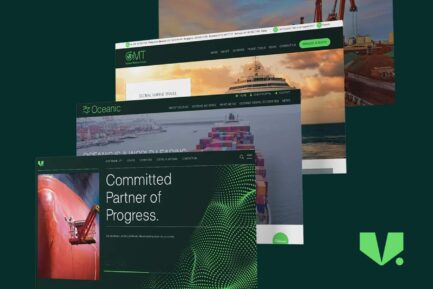
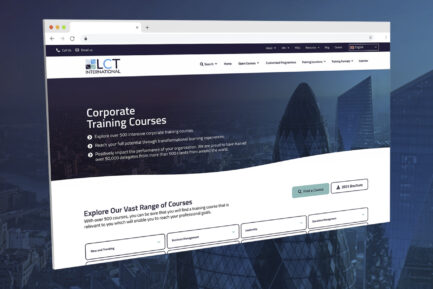
See how our content strategy frameworks have helped B2B businesses align their messaging with audience needs and commercial objectives.




Our Content Strategy Process
Content strategy development requires systematic analysis, strategic planning and detailed framework creation. Effective content strategies align business objectives with audience needs, technical requirements and marketing goals. Without structured processes, content planning becomes fragmented and fails to deliver consistent messaging or measurable business outcomes across digital platforms.
Priority Pixels follows proven methodologies that integrate content strategy with web design projects, SEO campaigns and paid media programmes. Our process examines audience behaviour, competitive positioning and technical requirements to create frameworks that guide content creation and performance measurement.
Business Objectives Analysis
Business objectives analysis establishes the foundation for content strategy development by examining organisational goals, target audience requirements and competitive positioning. We review business plans, marketing objectives and growth targets to understand how content supports broader strategic initiatives. This analysis includes stakeholder interviews, goal setting and success metric definition that guide strategy development.
Our analysis process examines how content strategy integrates with web design objectives, SEO goals and paid media campaigns. We identify content requirements, resource needs and technical considerations that influence strategy development. Business objectives analysis also establishes performance benchmarks, measurement frameworks and accountability structures that support strategy success.
The analysis phase concludes with clear content strategy objectives that align with business goals and marketing requirements. These objectives provide direction for audience research, competitive analysis and framework development. Business objectives analysis creates accountability and ensures content strategy delivers measurable value for organisations investing in digital marketing programmes.
Audience and Competitor Research
Audience and competitor research provides detailed insights into target demographics, content preferences and competitive landscape factors that influence strategy development. We analyse customer data, conduct behaviour analysis and examine competitor content approaches to understand market requirements and opportunities. Research includes industry trend analysis and platform assessment that inform strategic decisions.
Our research process examines how audiences interact with website content, engage with blog materials and respond to paid media campaigns. We identify content format preferences, platform usage patterns and engagement triggers that influence content effectiveness. Competitor research evaluates industry best practices, content gaps and differentiation opportunities that guide strategy development.
Research findings inform content framework development, creation guidelines and distribution planning that increase strategy effectiveness. We provide detailed audience profiles, competitor analysis and market insights that guide content strategy decisions. Audience and competitor research creates foundation for strategies that deliver meaningful engagement and measurable business results across all digital platforms.
Content Framework Development
Content framework development transforms research insights into structured guidelines that direct content creation, messaging and distribution across all digital platforms. We create detailed frameworks that establish content types, messaging hierarchies, tone guidelines and quality standards. Framework development includes technical requirements, SEO considerations and brand consistency guidelines that ensure content effectiveness.
Our framework development process integrates content strategy with web design requirements, SEO objectives and paid media campaign needs. We establish content categories, creation processes and approval workflows that maintain quality while supporting efficiency. Framework development also includes resource allocation, timeline planning and responsibility assignment that ensure successful implementation.
The framework development phase produces comprehensive guidelines that direct website copy creation, blog development, landing page content and campaign materials. These frameworks ensure content consistency while supporting conversion objectives and audience engagement. Content framework development delivers actionable strategies that strengthen digital marketing programmes and drive business results.
Implementation Planning
Implementation planning establishes detailed processes for content strategy execution across website development, blog creation, landing page campaigns and marketing initiatives. We develop implementation roadmaps that include resource allocation, timeline management and quality assurance processes. Planning includes technical requirements, workflow establishment and team coordination that ensure successful strategy deployment.
Our planning process examines integration requirements with web design projects, SEO campaigns and paid media programmes. We identify implementation priorities, resource needs and technical considerations that influence execution success. Implementation planning also establishes measurement processes, review schedules and optimisation procedures that maintain strategy effectiveness.
Planning activities include team briefing, resource preparation and system setup that support content strategy implementation. We provide detailed project plans that ensure content frameworks translate into effective creation processes and business outcomes. Implementation planning creates structure and accountability that drive content strategy success across all digital marketing channels.
Performance Measurement Setup
Performance measurement setup establishes analytics frameworks and monitoring processes that demonstrate content strategy effectiveness across website performance, blog engagement and campaign results. We implement tracking systems that measure content impact, audience behaviour and business outcomes. Measurement setup includes goal configuration, reporting systems and analysis processes that provide actionable insights.
Our measurement approach integrates content performance with web design metrics, SEO results and paid media campaign effectiveness. We establish key performance indicators, measurement schedules and reporting formats that demonstrate content strategy value. Performance measurement also includes competitive monitoring, trend analysis and market assessment that inform strategy refinement.
Measurement systems provide detailed insights into content effectiveness, audience engagement and business impact across all digital platforms. We create reporting frameworks that demonstrate content strategy contribution to organisational objectives and identify improvement opportunities. Performance measurement setup ensures content strategies deliver sustained value and support long-term business growth.
Strategy Optimisation and Refinement
Strategy optimisation and refinement improve content frameworks based on performance data, audience feedback and changing business requirements. We analyse content effectiveness, engagement metrics and conversion data to identify enhancement opportunities. Optimisation includes framework updates, process improvements and guideline refinements that increase strategy effectiveness and business impact.
Our optimisation process examines content integration with web design performance, SEO results and paid media campaign effectiveness. We identify opportunities to improve content quality, increase audience engagement and strengthen business outcomes. Strategy optimisation ensures content frameworks adapt to market changes and continue supporting business growth objectives effectively.
Optimisation activities include framework updating, process refinement and guideline enhancement that maintain content strategy relevance and effectiveness. We focus on delivering continuous improvement that maximises content investment and supports long-term business success. Strategy optimisation ensures frameworks remain competitive and deliver sustained value for organisations across all digital marketing channels.
Content Governance Establishment
Content governance establishment creates management processes and quality standards that ensure consistent content strategy implementation across all digital platforms and marketing initiatives. We develop governance frameworks that include approval processes, quality controls and brand compliance measures. Governance establishment includes role definition, responsibility assignment and accountability structures that maintain content effectiveness.
Our governance process integrates content management with web design workflows, SEO requirements and paid media campaign coordination. We establish review processes, update procedures and quality assurance measures that maintain content standards while supporting efficiency. Content governance also includes training programmes, guideline distribution and ongoing support that ensure successful strategy implementation.
Governance frameworks provide structure and consistency that strengthen content strategy effectiveness and business outcomes. We create management systems that ensure content frameworks translate into sustainable processes and measurable results. Content governance establishment delivers long-term strategy success and supports organisational growth across all digital marketing channels and business objectives.
Content Strategy FAQs
What is content strategy?
Content strategy is the planning framework that guides content creation, messaging and distribution across digital platforms. It establishes guidelines for website copy, blog development, landing page content and campaign materials that align with business objectives and audience needs.
Priority Pixels develops content strategies that integrate with web design projects, SEO campaigns and paid media programmes. Our approach creates frameworks that ensure consistent messaging, effective audience engagement and measurable business outcomes across all digital marketing channels.
How long does content strategy development take?
Content strategy development typically takes 4-8 weeks depending on business complexity, audience analysis requirements and framework scope. The process includes business analysis, audience research, competitive assessment and detailed framework creation that establishes long-term content direction.
Priority Pixels provides realistic timelines with clear milestones that demonstrate progress throughout strategy development. Our approach balances thoroughness with efficiency to deliver actionable frameworks that support immediate implementation and long-term business growth.
What does a content strategy include?
A content strategy includes audience analysis, brand voice guidelines, content planning frameworks, SEO requirements and performance measurement systems. The strategy covers website copy standards, blog content approaches, landing page development and campaign material guidelines that support business objectives.
Priority Pixels creates detailed strategies that integrate with web design requirements, SEO objectives and paid media campaigns. Our frameworks provide clear direction for content creation while ensuring consistency, quality and measurable business outcomes across all platforms.
How does content strategy support SEO?
Content strategy supports SEO through keyword integration, content structure planning, internal linking frameworks and technical optimisation guidelines. Strategic content planning ensures website copy, blog content and landing pages align with search requirements while maintaining readability and conversion effectiveness.
Priority Pixels integrates SEO considerations into content strategy development to maximise organic search performance. Our approach ensures content frameworks support both search engine requirements and audience needs for optimal business results across digital platforms.
Can content strategy help with website conversion?
Content strategy directly impacts website conversion through messaging optimisation, user journey planning and call-to-action development. Strategic content frameworks ensure website copy, landing pages and blog content guide visitors towards desired actions while addressing audience needs and concerns effectively.
Priority Pixels develops content strategies that prioritise conversion objectives alongside engagement goals. Our approach creates frameworks that support lead generation, sales processes and customer acquisition through strategic content planning and implementation.
How do you measure content strategy success?
Content strategy success is measured through engagement metrics, conversion rates, search performance and business impact analysis. Key indicators include website traffic quality, lead generation effectiveness, brand awareness improvement and customer acquisition that demonstrate strategy value and business outcomes.
Priority Pixels provides detailed measurement frameworks that track content strategy contribution to business objectives. Our approach includes performance monitoring, competitive analysis and ROI assessment that guide strategy refinement and demonstrate investment value effectively.
Our Technology Partners






Our B2B Marketing News
Practical advice on B2B digital marketing, from lead generation and brand strategy to campaign performance.
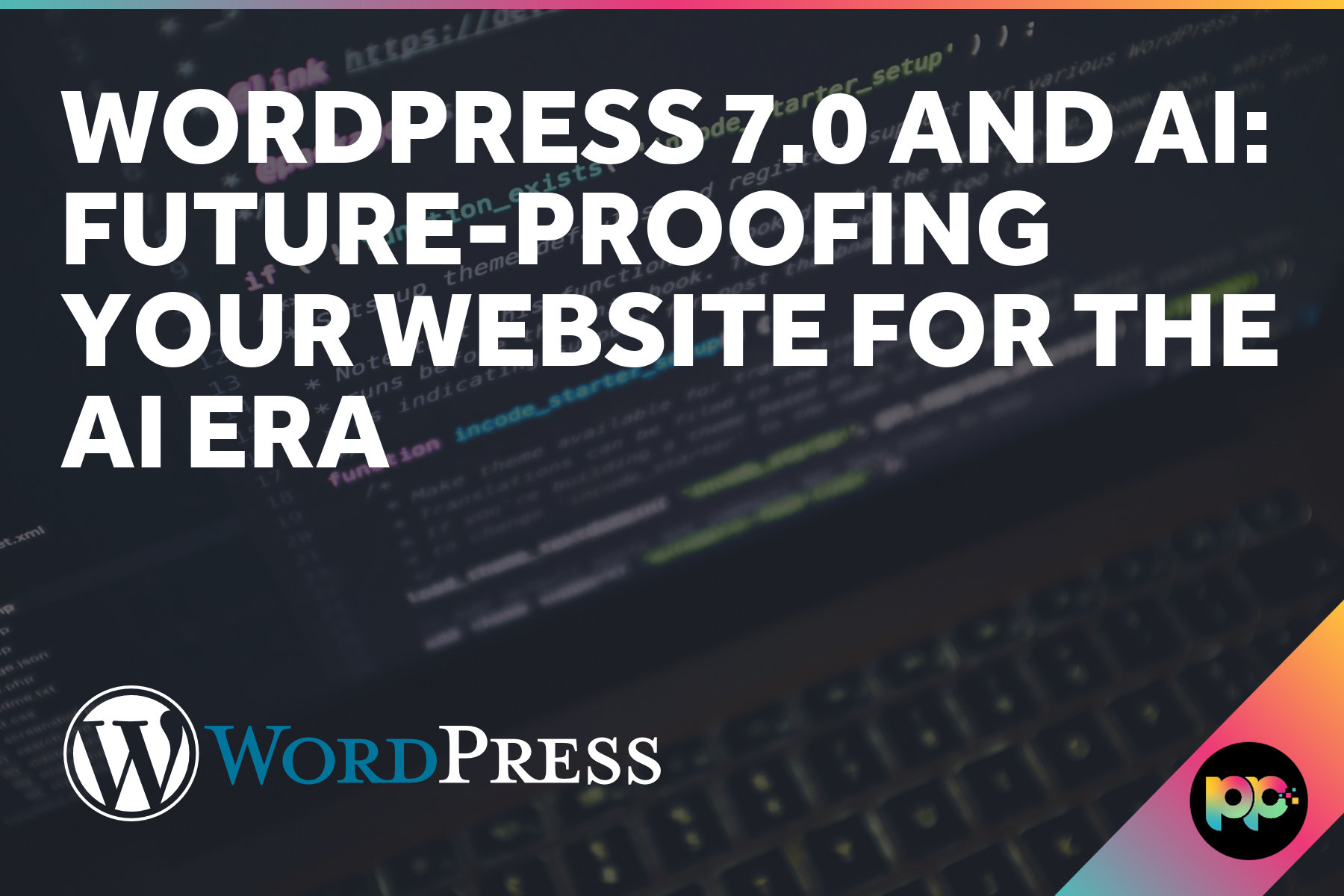
WordPress 7.0 and AI: Future-Proofing Your Website for the AI Era
WordPress 7.0 is in beta and one of the more interesting things tucked into the release is a set of AI experiments built directly into the block editor. That alone is worth paying attention to. But for most UK businesses, the bigger question is not what WordPress can do with AI, it is whether your […]
 Paul Clapp | 17/03/2026

Paul Clapp | 26/02/2026
Paul Clapp | 26/02/2026

Paul Clapp | 25/02/2026

Paul Clapp | 25/02/2026

Every project starts with a conversation. Ready to have yours?
Start your project